Why Picking the Wrong Commercial GC Costs More Than You Think
Most commercial construction failures don’t look like collapses or lawsuits. They look like a building that opened three months late, a budget that ran 22 percent over, and a developer who never works with that contractor again – and tells everyone in their network why.
The contractor selection process is where almost all of that risk gets decided. Here’s how to do it right.
1. Check Bonding and Insurance - With Current Certificates
Every commercial GC claims to be “fully insured” and “bonded.” Most are telling the truth. Some are not. The only way to know is the certificate.
Ask for: a current Certificate of Insurance (COI) listing general liability, automobile, workers compensation, and umbrella limits – dated within the last 90 days. Ask for: bonding capacity verification from the contractor’s surety company. Not a self-reported number. The surety company.
If a contractor cannot produce both documents within two business days, you have your answer. Sword Construction maintains both at the limits required for projects up to $5 million.
2. Ask for References From the Last 24 Months
Old references are friendship; recent references are evidence. Ask the contractor for three references on completed projects similar to yours, all within the last 24 months. Call all three.
Questions to ask the references: Did the project finish on time? Were change orders reasonable? Was the superintendent on site daily? Would you hire them again? – and listen for the pause before the answer.
3. Match the Portfolio to Your Project Type
A commercial GC who has built ten medical office buildings is a different operation from one who has built ten quick-service restaurants. The trades, the schedule, the inspection cadence, and the closeout package are different for every commercial vertical.
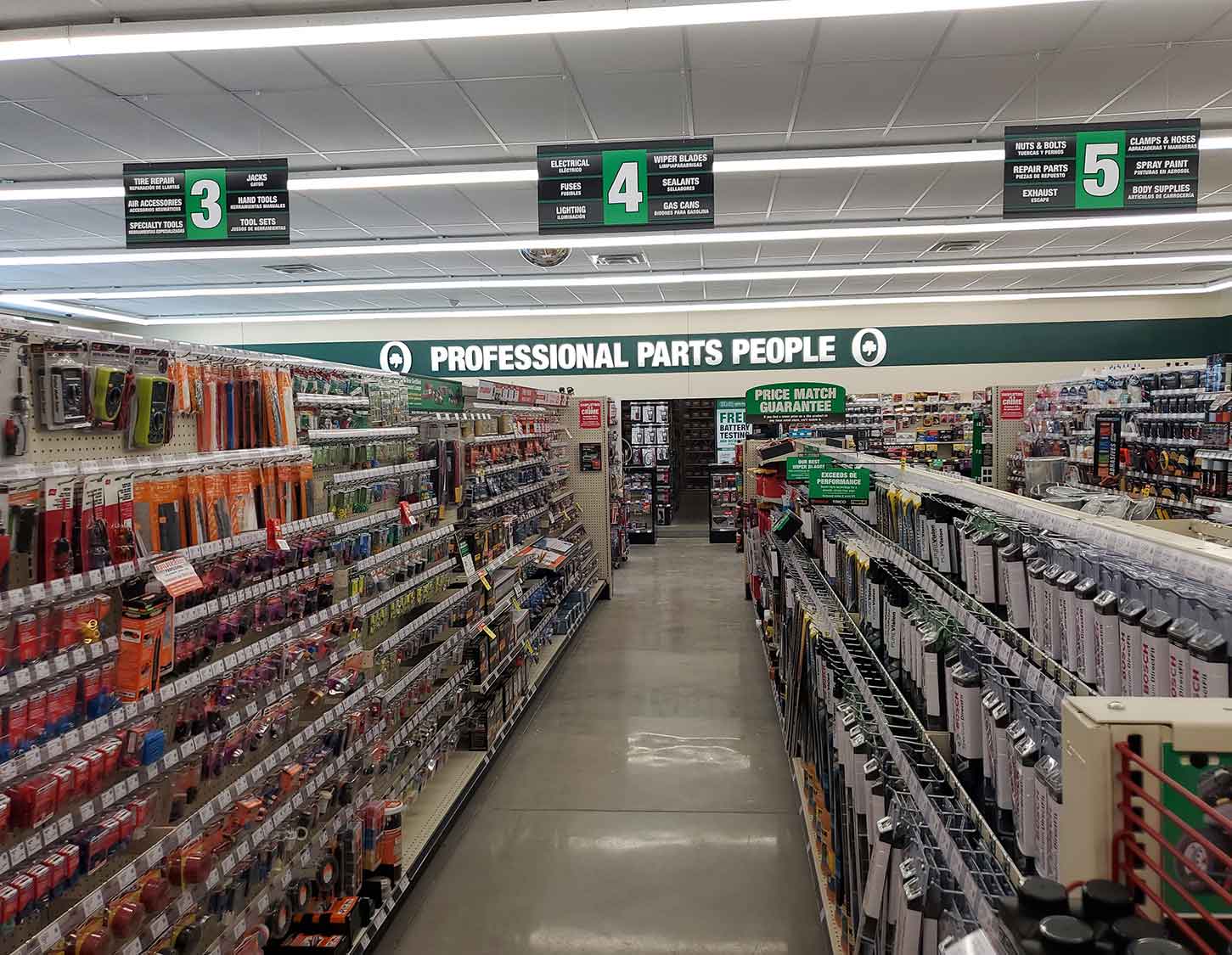
Look for project-type and size match. If your project is a $2 million ground-up retail prototype, find a contractor whose recent portfolio includes $1-5 million ground-up retail projects. See the types of commercial projects Sword Construction has delivered →
4. Understand How They Self-Perform
Some commercial GCs are pure construction managers, they hire subs for every trade and coordinate. Others self-perform key trades. Both models work, but they behave differently when the schedule gets tight.
Self-performing GCs control their own crews on the disciplines they perform. When a sub falls behind, they can pull a self-performed crew to recover. Pure CMs cannot. Ask the contractor: which trades do you self-perform? Sword Construction self-performs framing, drywall, ACT ceilings, flooring, and paint – the trades that most often delay project turnover.
5. Watch for These Red Flags
Any one of these is a reason to walk away, three is a guarantee you’ll regret hiring them.
- Cannot produce a current COI within two business days
- References are all from the same project owner or same year
- Bid is more than 15% below the average of other qualified bids - they are missing something
- Refuses to identify the superintendent who will run your project
- No formal change-order process described in writing
- Multiple negative Google reviews from former employees or subs (not from clients)
- Will not sign a contract with a defined retainage and lien waiver process
6. Understand Why Bonded Commercial GCs Cost More
Bonding capacity is not free. The contractor pays the surety every year, and that cost is built into their pricing.
A commercial GC who is bonded for $5 million in single-project capacity is paying their surety, maintaining a high-quality balance sheet, and carrying insurance limits most regional contractors do not. Those costs add up to a base price that is usually 8-15 percent higher than uninsured or lightly insured competitors.
What you get for that premium: if the contractor fails to complete your project, the surety steps in. If something goes wrong on site, the insurance covers it. If you are building a $1 million+ commercial project, that protection is worth the premium.
7. Plan for a Five-to-Ten-Day Bid Response Window
A qualified commercial GC needs time to develop a real bid. A two-day turnaround usually means they are working from memory and rough numbers, not from subcontractor pricing.
Five to ten business days for an initial response with clarifying questions and document confirmation is normal. The full bid usually takes three to six weeks depending on project complexity. If a contractor commits to a tight schedule without that bid timeline, ask how they are getting subcontractor pricing that fast, the answer matters.
Frequently Asked Questions
What's the most important credential to check on a commercial general contractor?
Bonding capacity and current insurance limits, both proven with current certificates dated within the last 90 days. A contractor's claim of being 'fully insured' means nothing without the actual certificate to prove coverage matches the project's risk profile.
Should I always hire the lowest bidder on a commercial project?
Almost never. The lowest bidder often wins by under-scoping the work, under-insuring, or planning to recover margin through change orders. A bid that is dramatically below the others is a warning sign, not a deal.
Why are bonded commercial contractors more expensive?
Bonding requires the contractor to demonstrate financial strength to a surety company every year, which costs money to maintain. The bond protects the owner if the contractor fails to complete the work. On any project over a few hundred thousand dollars, that protection is worth paying for.
How long should I give a commercial GC to respond to a bid invitation?
Five to ten business days is standard for an initial response and document confirmation. The actual bid number itself usually takes three to six weeks depending on project complexity and the time required to get subcontractor pricing.
Should I work with a national or local commercial GC?
Depends on your project. A single location in your market is fine for a strong local GC. A multi-location rollout needs a national contractor with the licensing footprint, bonding capacity, and project-management systems to deliver consistently across states.
What should I look for in a commercial GC's project portfolio?
Less important than financials, insurance certificates, and corporate references. Commercial GCs work for corporate clients who rarely leave Google reviews. References from current or past clients carry more weight than star ratings.
Ready to Request a Bid From Sword Construction?
Send your plans, schedule, and scope. We respond within five business days, every time.

- Commercial Construction Project Management: An Owner’s Guide - September 22, 2026
- What Is Commercial Framing? Steel Stud, Wood, and Structural Framing Explained - September 22, 2026
- What Is Value Engineering in Construction? What It Is, What It Is Not, and When to Ask for It - September 1, 2026