
What a Commercial Construction Project Manager Actually Does
On a commercial project, the project manager is the person who owns the outcome on paper: the budget, the schedule, the contracts, and the paper trail that holds them together. The superintendent builds the building; the PM builds the conditions that let it get built. In practice that means pricing and buying out the subcontractor scopes, writing and administering subcontracts, tracking procurement and long-lead deliveries, processing pay applications, pricing and negotiating change orders, keeping the schedule current and honest, and keeping the owner informed with real information instead of reassurance. On our projects the PM is also the owner’s single point of accountability between site visits: when you call with a question about cost, schedule, or scope, the PM answers it with documents, not impressions. Owners who have only built once or twice sometimes assume project management is overhead. It is the opposite: it is the function that decides whether the number you signed is the number you pay, which is the same reason we wrote a full buyer’s guide to picking a commercial general contractor: most of what separates bidders is invisible until you know what to ask.
Project Manager vs. Superintendent: Who Does What
The cleanest way to keep the roles straight: the superintendent owns the site, the project manager owns everything around it. The superintendent is on the project daily, sequencing trades, walking inspections, enforcing quality and safety, and solving the physical problems a building throws off every week. The project manager works the desk side of the same project: contracts, submittals, requests for information, procurement tracking, cost forecasting, and the owner relationship. The two roles check each other. When the superintendent needs a decision that costs money, the PM prices it and gets it approved in writing before it happens. When the PM commits to a date, the superintendent has to be able to build to it. On smaller commercial projects one person sometimes wears both hats, and that can work, but as project size grows the split earns its cost, because the days are not long enough to run a job site and its paperwork well at the same time. When you interview contractors, ask to meet both people by name. A bid without a named PM and superintendent is a bid from a staffing plan, not a team.
Preconstruction: Where Project Management Earns Its Keep
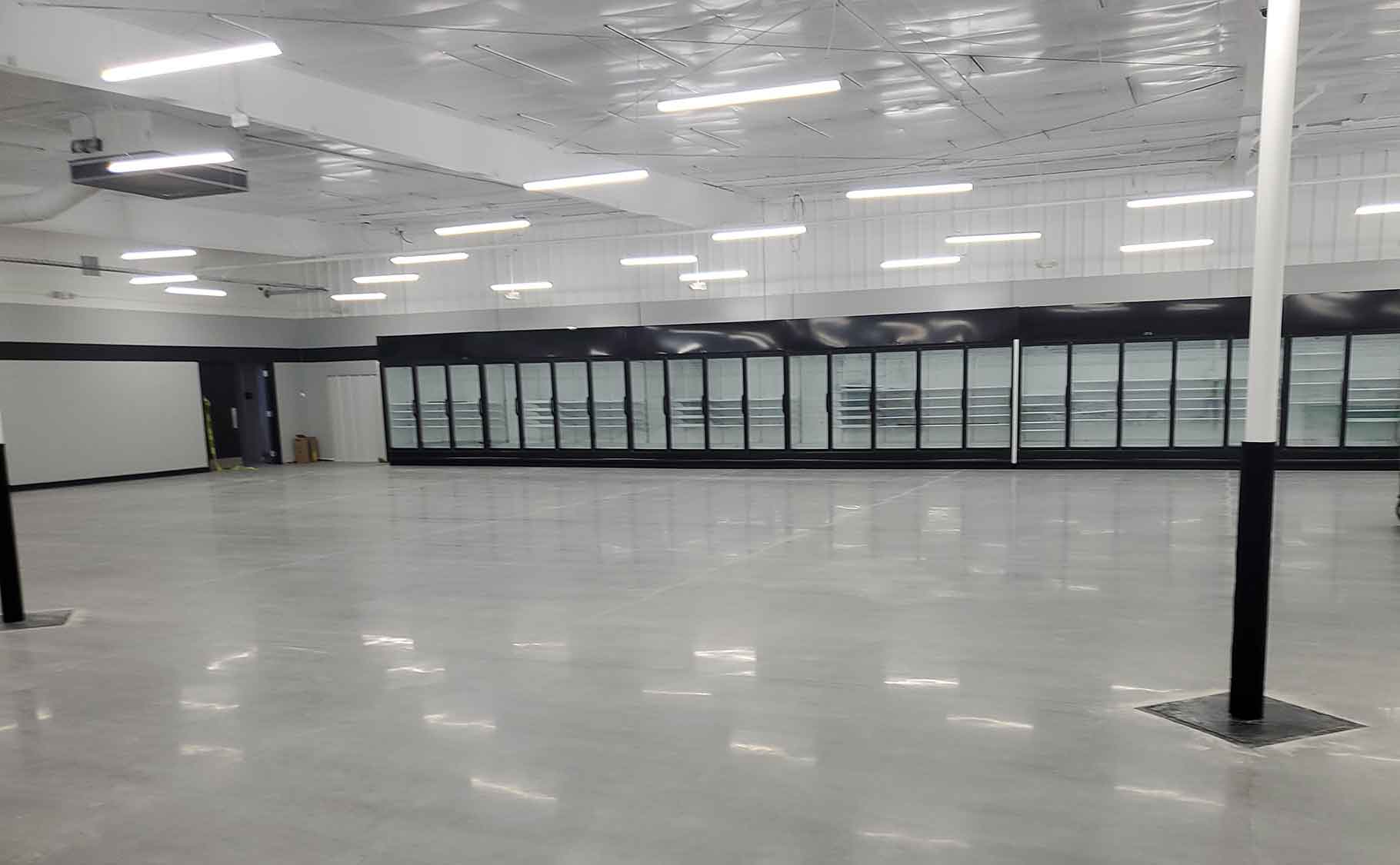
Most of a project’s cost and schedule risk is settled before anyone mobilizes, which makes preconstruction the highest-leverage phase of project management. Good preconstruction starts with an estimate the PM can defend line by line, not a lump sum. It continues into buyout: bidding each trade to qualified subcontractors, leveling their scopes so the numbers actually compare, and closing the gaps between what the drawings show and what the bids cover, because unclaimed scope always resurfaces later as a change order. It includes the permit path: knowing which reviews the jurisdiction requires and how long they really take, and getting applications in early enough that the schedule is built on facts. It includes long-lead procurement, from switchgear to rooftop units to storefront, ordered against the schedule rather than discovered against it. And it is where value decisions belong: substitutions and design adjustments cost little on paper and a fortune in the field, which is the whole argument of our post on value engineering in construction. An owner can read a contractor’s project management ability directly from its preconstruction questions: the team that asks for the geotechnical report, the utility letters, and the landlord work letter before pricing is the team that will not surprise you in month four.
Schedule and Budget Controls: Draws, Pay Applications, and Change Orders
Once construction starts, project management becomes a monthly rhythm of controls, and owners should know what each one is for. The schedule of values breaks the contract amount into line items at the start of the job; every pay application after that bills percentages against those lines, so the owner and lender can see exactly what has been earned. A proper pay application package includes the billing itself, lien waivers from the subcontractors paid in the prior period, and updated schedule information, and it should arrive the same week every month. Change orders are the control owners feel most. A disciplined PM prices every change in writing, with labor, material, and markup shown, gets the owner’s signature before the work happens, and folds approved changes into the contract sum so there is exactly one current number at all times. The schedule gets the same treatment: updated against actual progress, with slips named and a recovery plan attached, rather than quietly re-dated. None of this is exotic. It is ordinary discipline applied every month without exception, and it is the difference between an owner who learns the final cost at the end and an owner who knew it all along.
The OAC Meeting: A Communication Cadence That Keeps Projects Honest
OAC stands for owner, architect, contractor, and the OAC meeting is the recurring session where those three parties look at the same information at the same time. On our projects it runs weekly or biweekly depending on the phase, with a standing agenda: safety, schedule against the baseline, procurement and deliveries, open requests for information, submittal status, cost events and pending change orders, and decisions needed from the owner with the date each decision is actually needed by. The meeting produces minutes, and the minutes name owners and due dates for every open item, because an action item without a name attached is a wish. Between meetings, the PM sends a written status report so the owner never depends on memory or a phone call for the state of their own project. The cadence matters more than the format. Problems on commercial projects are rarely fatal on the day they appear; they become expensive when they age quietly. A fixed communication rhythm forces every issue into the light while it is still cheap to fix.
How to Evaluate a Contractor's Project Management Before You Sign
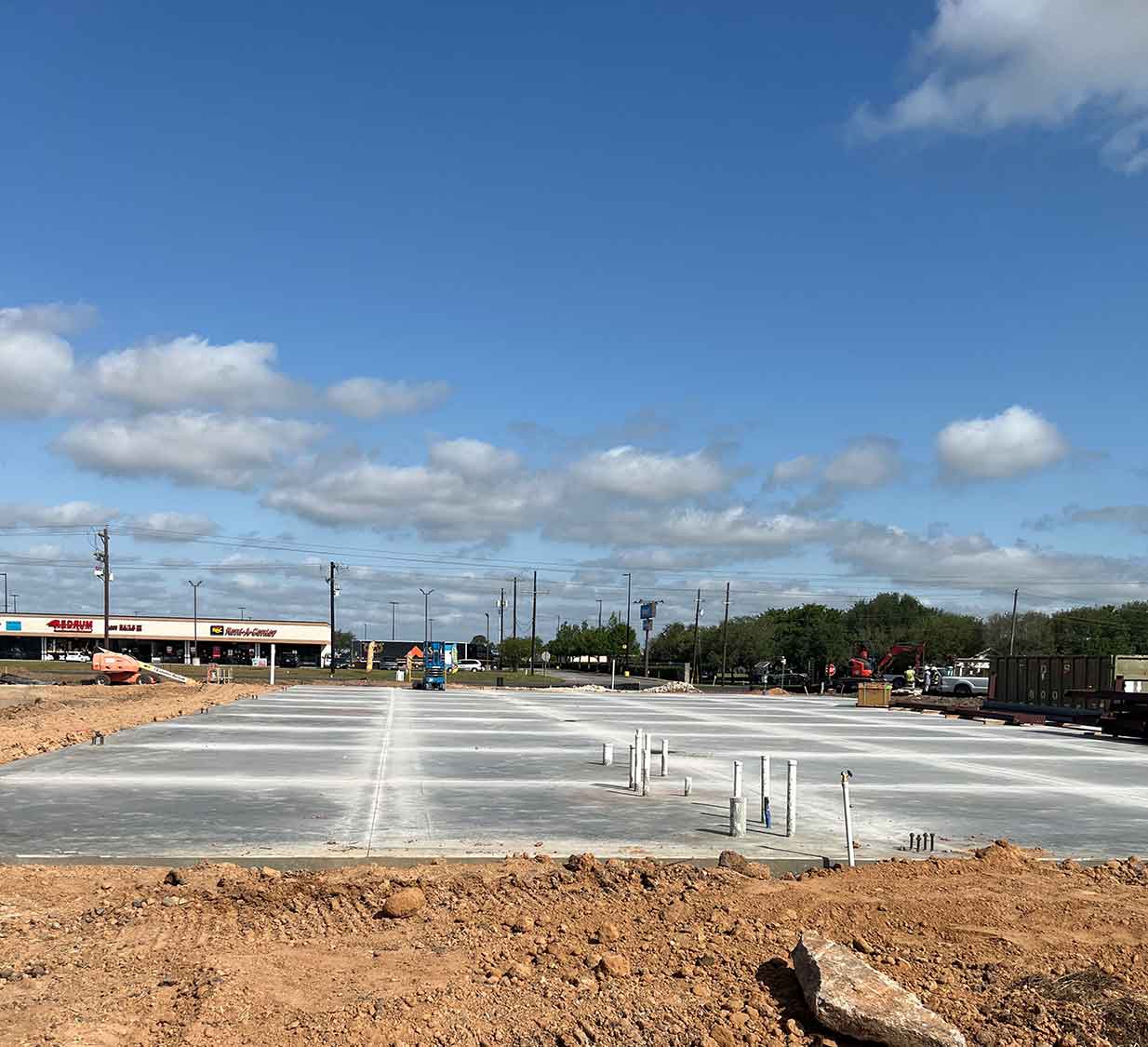
You cannot inspect project management the way you inspect a finished storefront, but you can test for it before you sign, and the questions below are the checklist we would use on the other side of the table. Alongside them, watch for the red flags: a contractor who cannot name your PM and superintendent, a schedule with no logic behind the dates, change order terms that are vague about markup, or references who hesitate when you ask whether the final cost matched the contract. On program work, ask how many projects the PM runs at once and how the company keeps a store in Houston and a store in Louisiana on the same reporting standard, because consistency across distance is exactly what national retail programs pay for. The answers separate contractors who manage projects from contractors who merely attend them.
Six Questions That Reveal a Contractor's Project Management
Put these to every bidder, and put the answers in writing. Strong contractors answer them quickly, because the systems already exist.
- Name the team. Who is my project manager and my superintendent, and what are they running right now?
- Show me a schedule. A real baseline schedule from a comparable completed project, with the actual finish date on it.
- Explain your change order process. How changes are priced, what the markup is, and whose signature is required before work proceeds.
- Show me a pay application package. Billing, lien waivers, and schedule update, as submitted on a past project.
- Define the reporting cadence. How often I get an OAC meeting and a written status report, and what is on the standing agenda.
- Tell me what you self-perform. Which trades your own crews handle, and how that protects my schedule.
Frequently Asked Questions
Does the general contractor provide the project manager?
Yes. On a commercial project delivered by a general contractor, the PM is a member of the contractor's team and is included in the contract price. Some owners also hire an independent owner's representative to act on their side of the table; that is a separate role, not a replacement for the contractor's PM.
What is the difference between a project manager and an owner's rep?
The contractor's project manager works for the builder and manages the project's cost, schedule, and contracts from the contractor's side. An owner's representative works for you, reviewing the contractor's schedule, billings, and change orders on your behalf. On most retail and restaurant projects, a disciplined contractor PM and an informed owner make a separate rep unnecessary, but larger or more complex projects often justify one.
How often should I get project updates?
You should have a standing OAC meeting weekly or biweekly and a written status report on the same rhythm, plus an updated schedule with every monthly pay application. If updates only happen when you ask for them, the project does not have a communication system; it has a person you have to chase.
How do I keep change orders under control?
Three habits do most of the work: settle scope gaps in preconstruction before signing, require written pricing and your signature before changed work proceeds, and have the contract state the markup on changes. Change orders that follow that path are ordinary business; change orders that surface after the work is done are negotiations you have already lost.
What should be in a monthly pay application?
The billing against the schedule of values showing percent complete by line, conditional and unconditional lien waivers for prior payments, and current schedule information. Lenders typically require exactly this package, and a contractor who produces it cleanly every month is showing you its project management in working order.
Want to See Our Project Management Up Close?
Send plans, the site address, and your target opening date. We respond within five business days, and we are glad to walk you through a sample schedule and pay application package.

- Commercial Construction Project Management: An Owner’s Guide - September 22, 2026
- What Is Commercial Framing? Steel Stud, Wood, and Structural Framing Explained - September 22, 2026
- What Is Value Engineering in Construction? What It Is, What It Is Not, and When to Ask for It - September 1, 2026