
What Is a Punch List in Construction?
A construction punch list is the written record of every item that is incomplete, damaged, or not built to the contract documents at the end of a project. It is created once the building is substantially complete, it names who fixes each item and by when, and clearing it is what releases final payment and retainage. Everything on the list is small on its own: a scuffed wall, a missing door closer, a light fixture on the wrong switch. Together they decide whether the owner gets the building on the date in the contract.
This article walks through the punch list process the way it actually runs on commercial jobs, from the contractor’s own pre-punch to the final sign-off, and explains where owners lose time. It sits at the end of the sequence described in our commercial construction project management guide.
1. The Contractor's Own Pre-Punch
The best punch lists are short because most of the work happens before the owner walks the building. On a well-run job, the superintendent and each trade foreman walk their own work room by room in the final weeks and fix what they find without waiting for anyone to write it down. Drywall gets its final touch-up, ceiling tiles that were lifted for above-ceiling inspections are reset, and hardware, devices, and trim are checked against the finish schedule.
A contractor that skips this step hands the owner a building with hundreds of open items and a walkthrough that takes all day. Ask any builder you are considering how they run quality control before substantial completion; it is one of the questions in our guide to what to look for in a retail construction company.
2. Declaring Substantial Completion
The punch list formally starts at substantial completion: the point where the building is complete enough that the owner can occupy it and use it for its intended purpose, even though minor work remains. Most commercial contracts define the term and tie it to real consequences. Warranties often start on that date, the owner usually takes over utilities and insurance, and the schedule clock for liquidated damages typically stops.
Because so much rides on the date, the contractor requests it in writing and the owner or architect inspects to confirm it. Life-safety systems, fire alarm and sprinkler acceptance, and the building final inspection generally need to be complete, and many owners also want a temporary or full certificate of occupancy in hand before they agree the building is substantially complete.
3. The Owner and Architect Walkthrough
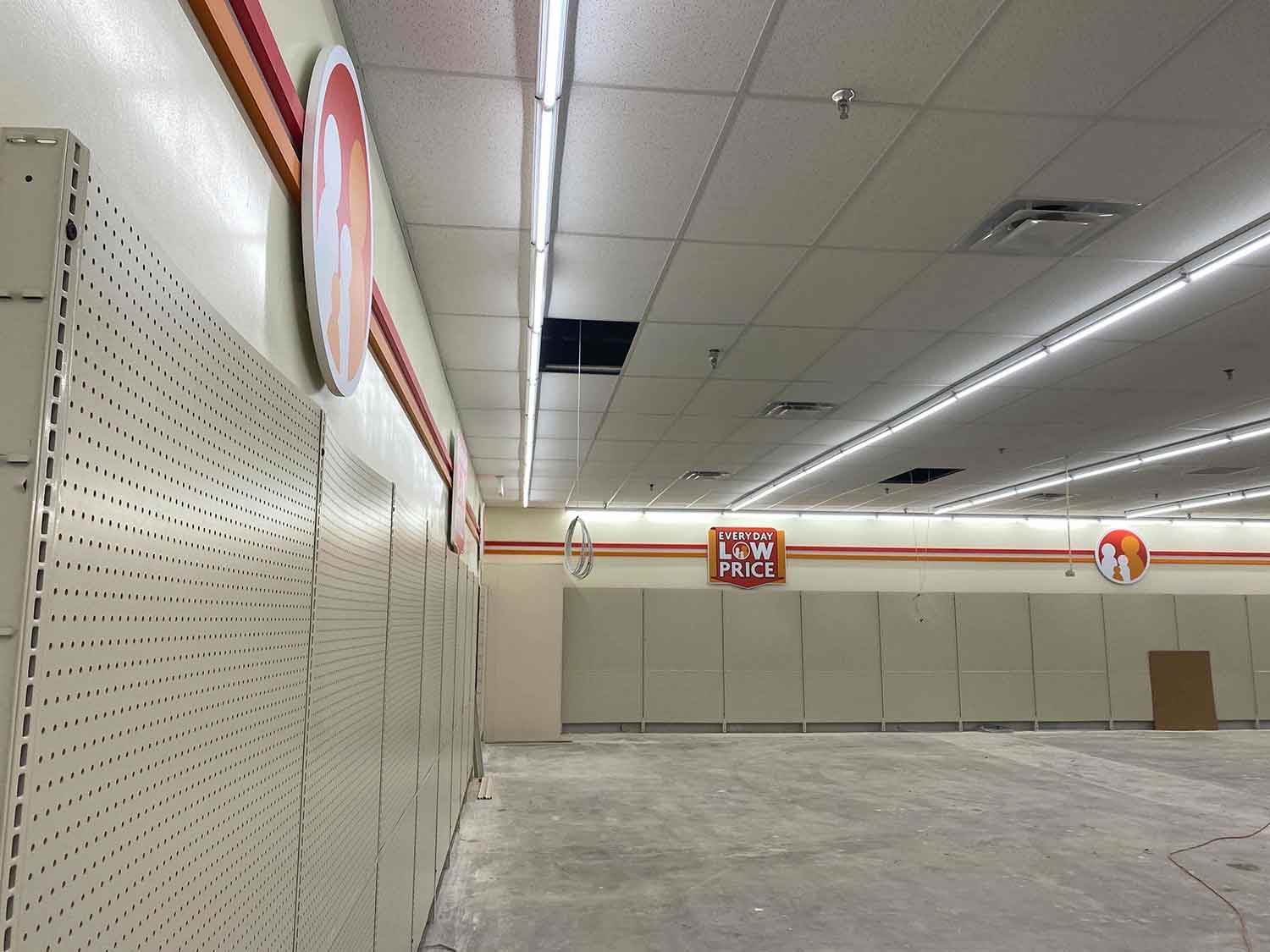
The walkthrough is a scheduled inspection with the owner’s representative, the architect, and the contractor’s superintendent, and on larger jobs the MEP engineers and key subcontractors. The group walks every space in a set order, usually starting outside with the site, parking, and envelope, then moving through the sales floor or dining room, back of house, restrooms, and roof.
Two habits make the walk efficient. First, inspect against the drawings and finish schedule, not against personal preference, because items outside the contract become change requests, not punch items. Second, test what can be tested: run the HVAC, flush the fixtures, cycle the doors, and check that every light and outlet works. Systems problems found during the walk are far cheaper to fix than ones found after the store opens.
4. Logging Each Item So It Can Be Closed
A punch item is only useful if someone can find it and close it without a phone call. Each entry should record the room or grid location, a plain description of the problem, the responsible trade, a target date, and ideally a photo. Most commercial teams now keep the list in project management software so items can be assigned, photographed, and closed from a phone on site.
Keep the list in one place and in one format. When the owner, the architect, and the contractor each keep a separate list, items are duplicated, missed, or argued over at closeout. Items that are really added scope, such as a new outlet the tenant now wants, should be split off and handled as change orders with their own price and schedule rather than buried in the punch list.
Punch List Examples by Category on a Commercial Project
Most commercial punch list items fall into a handful of categories, and organizing the list the same way makes it faster to assign each task to the right trade. Finishes are the largest group: paint touch-ups, scuffed or damaged drywall, chipped flooring or base, stained ceiling tiles, and caulk lines at countertops and wet walls. Doors and hardware come next: closers that slam or do not latch, missing kick plates or stops, and door swings or clearances that do not meet accessibility requirements.
Mechanical, electrical, and plumbing items include devices with missing cover plates, fixtures on the wrong circuit, exit signs or emergency lights that fail the test, thermostats in the wrong location, diffusers out of alignment, and slow drains or loose fixtures. Specialties and accessibility items cover restroom accessories mounted at the wrong height, missing signage, and grab bars, mirrors, or dispensers out of tolerance. Exterior and site items include parking striping, sidewalk and curb damage, landscaping, storefront glazing scratches, and roof penetrations that need a final seal.
A practical punch list template has one row per item with columns for item number, category, location, description, responsible trade, priority, due date, status, and a photo or note field. The project manager assigns a priority to each row so life-safety and accessibility items, which can hold up the certificate of occupancy, are closed first, and cosmetic items are scheduled around the client’s move-in. Every item should have a deadline the trade has agreed to, not just a date someone wrote down.
5. Working the List Around Fixturing and Occupancy
Corrections usually overlap with the owner’s own move-in work: fixturing, merchandise, IT, and equipment deliveries in a retail store, or kitchen equipment start-up and staff training in a restaurant. That overlap is where punch work stalls if it is not scheduled. The superintendent sequences trades so that painters, ceiling installers, and electricians finish their items before fixtures and stock block access.
In an occupied building the stakes are higher. Remodels and phased projects, like the work described in our restaurant remodel process and our commercial remodeling and ADA retrofit services, often punch one phase while the next is still under construction, so corrections happen after hours or in areas closed off for the night.
6. Back-Check, Sign-Off, Retainage, and Final Payment
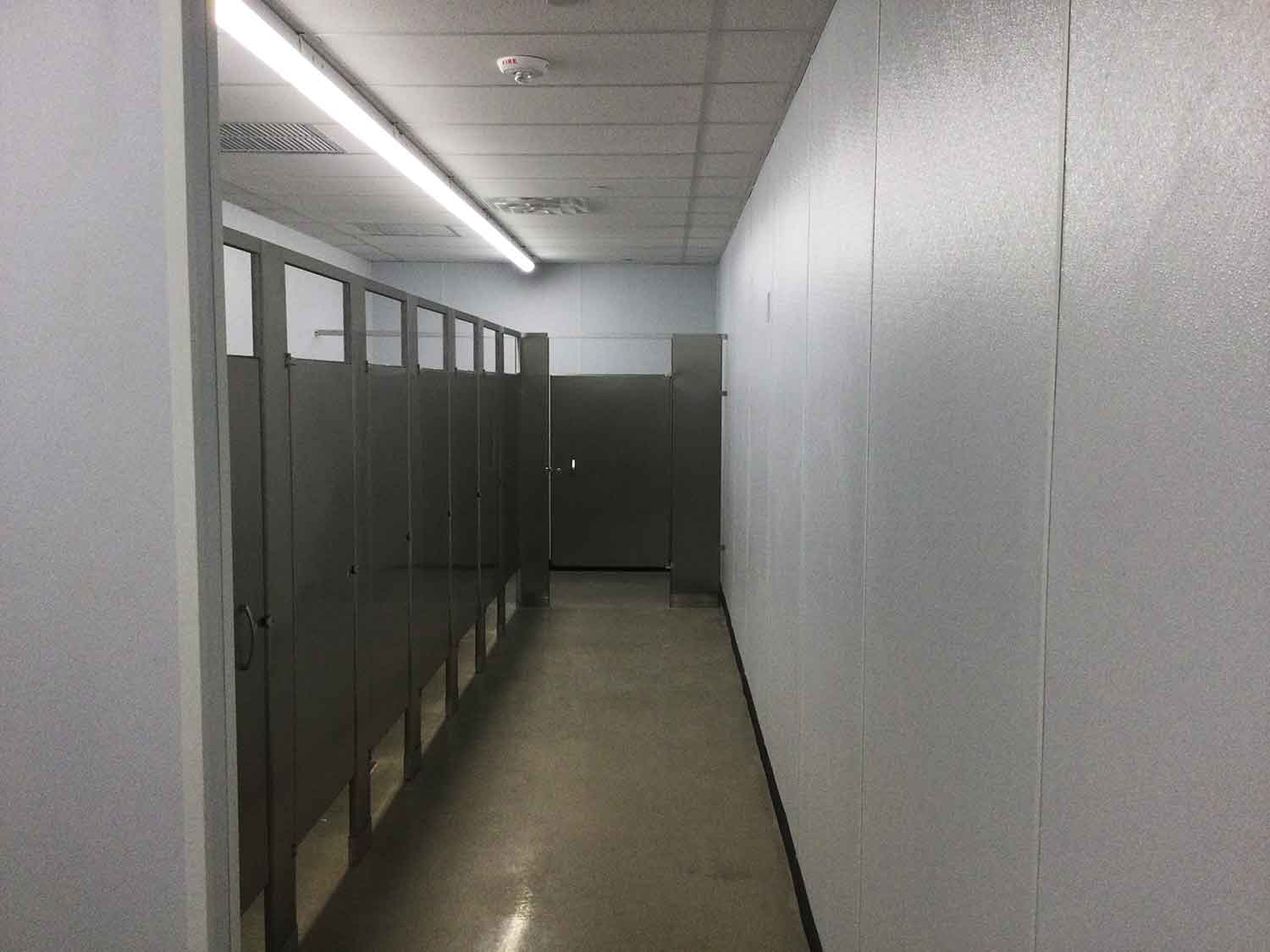
When the contractor reports the list complete, the owner or architect back-checks each item and signs it off or returns it. A list that comes back clean on the first back-check is a good sign about the builder; one that needs three rounds usually means items were marked complete before they were verified.
Clearing the punch list is normally tied to final payment and the release of retainage, the percentage of each progress payment the owner holds back until the end of the job, commonly 5 to 10 percent and set by the contract and in some cases by state law. Final payment typically also requires the closeout package: lien waivers, warranties, operation and maintenance manuals, as-built drawings, and attic stock.
How Long the Punch List Process Takes
There is no single number, because the length of the punch list process depends on how much quality control happened before substantial completion. A short list on a well-prepared project can be cleared in days. A long list, or one with backordered items such as a specialty light fixture or a replacement storefront panel, can take weeks, and those long-lead items should be tracked separately so they do not hold up everything else.
Owners can shorten the process by defining substantial completion clearly in the contract, agreeing on one shared list format, scheduling the walkthrough as soon as the contractor requests it, and keeping new requests off the punch list. The same discipline applies whether the project is a white box delivery to a landlord or a full tenant finish-out for a national brand.
Read Next
- Change orders in construction: what owners need to know
- Commercial construction project management: an owner's guide
- The restaurant remodel process, step by step
- Tenant finish-out and commercial build-out services
- Commercial remodeling and ADA retrofit services
- How to pick a commercial general contractor: a buyer's guide
Frequently Asked Questions
Who is responsible for a punch list?
The general contractor is responsible for completing every item on the punch list and for assigning each item to the trade that performed the work. The owner, usually through the architect or an owner's representative, is responsible for inspecting the work, identifying deficiencies, and signing off items once they are corrected.
Who prepares the punch list?
It depends on the contract. On many commercial projects the contractor prepares its own list first, then the architect or owner's representative adds items during the formal walkthrough. The result should be one shared list that both sides work from.
What is the difference between a punch list and a checklist?
A checklist is prepared in advance and lists what should be inspected or completed, such as a pre-pour or above-ceiling checklist. A punch list is created after inspection and lists what was found to be incomplete or deficient and still needs to be fixed.
Who pays for punch list items?
Items that are incomplete or not built to the contract documents are corrected at the contractor's cost, because the work was already part of the contract price. Anything that changes the scope beyond the documents is extra work and is priced through a change order.
When does the punch list process start?
It starts at substantial completion, when the building can be occupied and used for its intended purpose even though minor work remains. Final payment and retainage are normally released only after the list is cleared and the closeout documents are delivered.
Want a Shorter Punch List on Your Next Project?
Send us your plans, site, and target opening date. We respond within five business days with clarifying questions and a bid timeline.

- Design-Build vs. Design-Bid-Build: Which Delivery Method Fits Your Commercial Project? - October 19, 2026
- The Construction Punch List Process, Step by Step: From Substantial Completion to Final Payment - October 19, 2026
- Change Orders in Construction: What Owners Need to Know - October 12, 2026
Related posts:
- Ground-Up vs. Tenant Finish-Out: Which Does Your Project Need?
- The Restaurant Construction Process, Step by Step: From Site Selection to Grand Opening
- What Is Commercial Framing? Steel Stud, Wood, and Structural Framing Explained
- What Is White Box Construction? Shell, White Box, and Turnkey Explained