
What Is a Tenant Improvement Allowance?
A tenant improvement allowance, often shortened to TI allowance or TIA, is money a landlord agrees to contribute toward building out or renovating leased commercial space for a tenant. It is negotiated as part of the lease and is usually stated either as a dollar amount per square foot or as a fixed total. The allowance is not free money: landlords typically recover it through the rent over the lease term, so a larger allowance often comes with higher base rent, a longer lease, or both.
For retailers, restaurants, medical and dental offices, and service businesses, the allowance can be the difference between a space that is ready to open and a bare shell that needs a large check before the first customer walks in. This guide explains how allowances are structured, what they cover, why the number rarely matches the real build-out cost, and how to manage the work so the money goes as far as possible. It is general information about construction, not legal advice: lease terms are negotiated, and your attorney and broker should review yours. If you are still choosing between a new building and leased space, our comparison of ground-up versus tenant finish-out explains how the two paths differ.
How a Tenant Improvement Allowance Is Structured and Paid
Landlords express an allowance in one of two ways: a rate per square foot, which is multiplied by the size of the suite, or a fixed lump sum for the whole space. The lease also says how the money is paid. Some landlords pay by reimbursement: the tenant builds, pays the contractor, and submits invoices, lien waivers, and proof of completion, and the landlord reimburses up to the allowance. Others pay progress draws as the work is completed, or apply the allowance directly when the landlord’s own contractor builds the space.
Reimbursement means the tenant carries the cash cost during construction, which matters for a small business, so read the draw schedule and the required documents before you commit to a construction budget. Leases also commonly set a deadline, and allowance that is not used within a stated period after the lease begins can be forfeited. Check that date against a realistic design, permitting, and construction timeline. Our tenant finish-out and commercial build-out team coordinates the work against the landlord’s work letter and the lease commencement date.
What a TI Allowance Usually Covers, and What It Usually Does Not
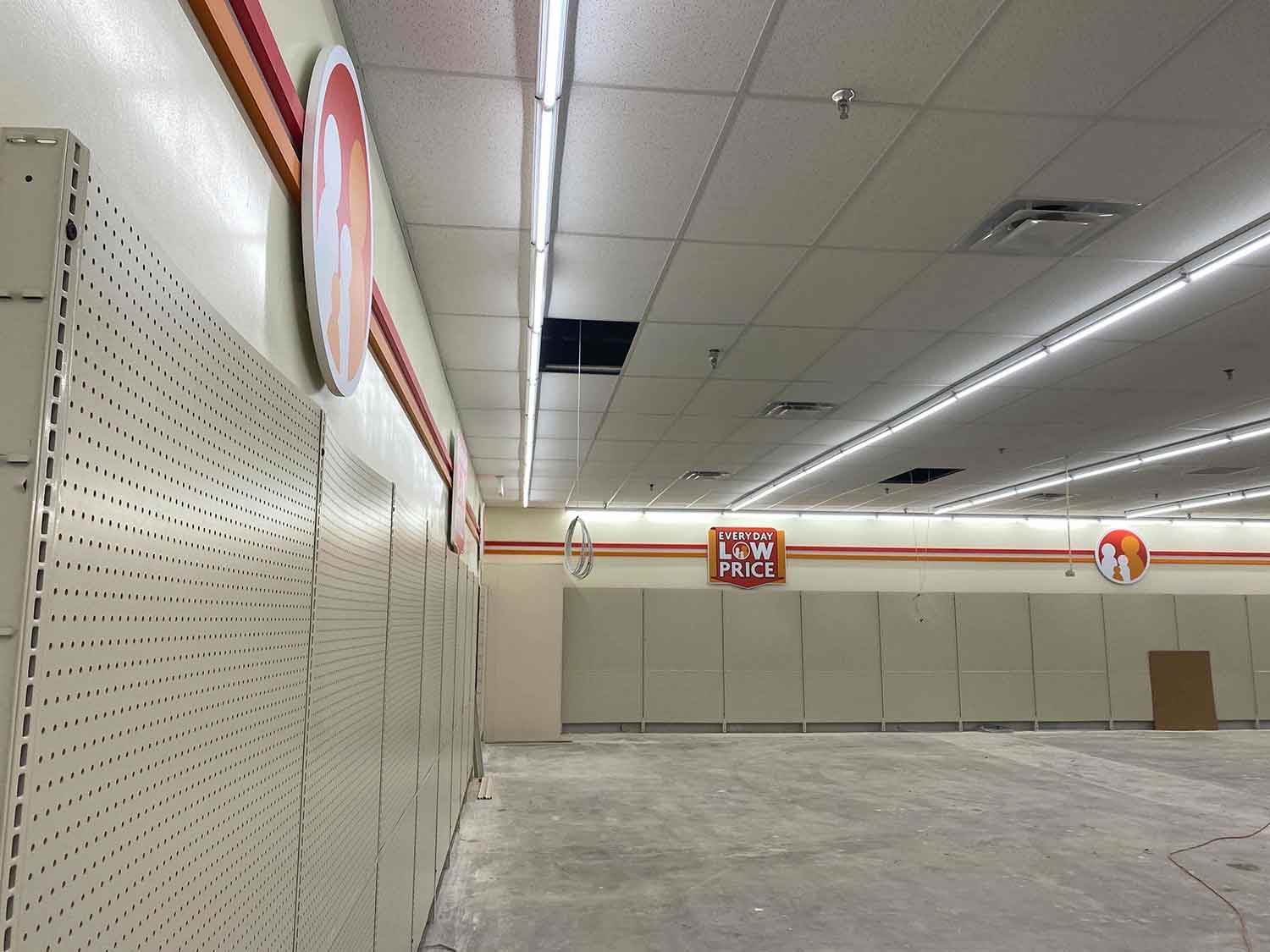
An allowance typically covers the hard costs of improving the space: interior framing and demising walls, drywall and paint, ceilings, flooring, doors, restroom work, lighting, electrical distribution, HVAC modifications, plumbing, and the sprinkler and life safety changes that a new layout requires. Many leases also allow some soft costs, such as architectural and engineering fees and permit fees, though the lease controls, and some cap them.
Items that are usually not covered include trade fixtures, furniture, equipment, signage, inventory, low-voltage and security systems, moving costs, and the tenant’s own operating expenses. For restaurants, kitchen equipment is the tenant’s cost, and the exhaust hood system and grease interceptor are frequent items to settle in writing before signing. Restaurant tenants can see how those pieces fit into the schedule in our restaurant construction process guide. It also helps to know what condition the landlord delivers the space in. Our explanation of white box construction covers the shell, white box, and turnkey conditions, and each one changes how much of the allowance is left for the work you actually need.
Why the Allowance and the Real Build-Out Cost Rarely Match
The allowance is set during lease negotiation, long before the design exists, so it is an estimate of what a typical suite might need. Real costs depend on what the space already has. A second-generation space with usable restrooms, ceilings, and HVAC costs less to adapt than a cold shell with a bare slab and no mechanical systems, and restaurants, medical offices, and any use with heavy plumbing, ventilation, or electrical needs usually need more than a general office does. The difference between the allowance and the actual cost is paid by the tenant, and it often surfaces only after bids come in.
There are three ways to see the gap early. Get a contractor’s budget estimate against the lease exhibit before you sign. Ask exactly what the landlord’s base building includes. And ask what could trigger extra cost, such as code upgrades, accessibility compliance, or sprinkler changes. Our commercial remodeling and ADA retrofit work regularly involves these discoveries in existing buildings. When the estimate comes in over the allowance, value engineering is the disciplined way to close the gap without cutting function.
Landlord Builds or Tenant Builds: Choosing Who Runs the Work
Leases usually assign the build-out to one of two parties. In a landlord-built or turnkey arrangement, the landlord’s contractor builds the space to an agreed specification and the allowance is applied directly. The tenant gets less control but less cash exposure, and often a fixed delivery date. In a tenant-built arrangement, the tenant hires its own contractor, controls the design and schedule, and draws on the allowance as the lease describes. The tenant gains control and carries more risk.
Landlords commonly require approval of the contractor, the plans, the insurance certificates, and the schedule. Neither arrangement is automatically better. If your opening date or brand standards matter, tenant-built often protects them. If you want to limit risk and the landlord’s specification suits your use, turnkey can be simpler. When you hire your own builder, our buyer’s guide to picking a commercial general contractor covers what to ask.
Where the Build-Out Fits in the Lease Timeline
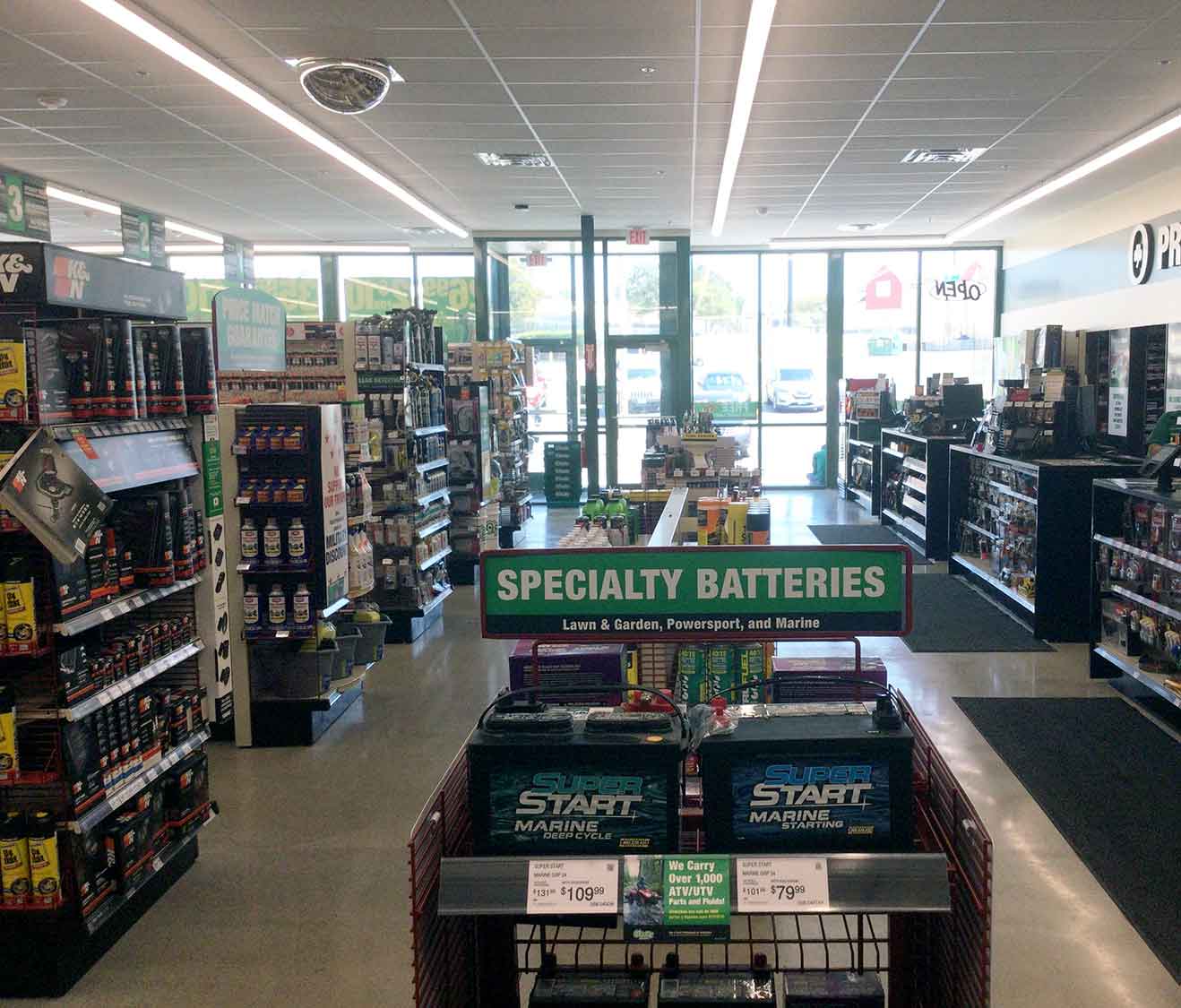
A tenant build-out runs in a fixed order, and the lease clock usually starts running before the work does. After the lease is signed, the space is delivered, and the tenant’s design team prepares drawings. The drawings go to the landlord for approval and to the city for permit review, and permit review is often the longest stretch the tenant does not control. Bids or a negotiated price follow, then buyout of the trades, long-lead items such as storefront, switchgear, and kitchen hoods, construction, inspections, and finally the certificate of occupancy and the tenant’s own fixture and equipment installation.
Rent commencement dates, free-rent periods, and allowance deadlines are all tied to this sequence in the lease, so a delay in any step moves real money. The practical advice is to build the schedule backward from the date rent begins and the date the allowance expires, then ask your contractor which steps carry the most risk. Early engagement matters: a contractor who sees the lease exhibit before the design is final can flag long-lead items and permit risks while there is still time to act. Our retail and restaurant construction team works to hard opening dates on exactly this kind of sequence.
How to Get the Most From Your Allowance: A Checklist
Whichever structure your lease uses, the same habits make the allowance go further.
- Read the work letter before you sign. Know what the landlord delivers, the allowance amount, how it is paid, and what documents each payment requires.
- Get a budget estimate during lease negotiation. A contractor's number for your actual space is the only way to know whether the allowance will cover it.
- Calendar the deadline. Work backward from the date the allowance expires, and include design and permit review time.
- Keep the draw paperwork ready. Invoices, lien waivers, permits, inspection sign-offs, and the certificate of occupancy are common requirements.
- Separate allowable costs from your own. Budget fixtures, equipment, signage, and low-voltage systems on a different line from the build-out.
- Ask what happens to unused allowance. Some leases forfeit it and some credit it against rent, and the difference can be real money.
Six Mistakes That Make an Allowance Run Short
Most shortfalls come from a handful of avoidable problems. The first is signing before anyone has priced the space, which leaves the tenant discovering the gap after the lease is binding. The second is assuming the landlord’s delivery condition includes more than it does, such as working restrooms, adequate electrical service, or mechanical capacity. The third is overlooking code and accessibility upgrades that a change of use can trigger. The fourth is missing the allowance deadline because design and permitting took longer than planned.
The fifth is treating the allowance as a budget instead of a contribution, so the tenant’s own costs for fixtures, equipment, and signage are never planned. The sixth is poor documentation: change orders, lien waivers, and inspection sign-offs that are not collected as the work proceeds can delay the final reimbursement by weeks. A contractor who tracks those documents as part of normal project management makes the draw process much easier, and our project management guide describes what that tracking looks like in practice.
Negotiating the Allowance Before the Lease Is Signed
The allowance is one term among many, and it trades against rent, lease length, free rent, and who builds. Landlords weigh the tenant’s credit, the length of the commitment, and how much the improvements would help re-lease the space later. A broker and an attorney are the right advisors on those trade-offs.
From the construction side, the most useful thing to bring to the negotiation is a real number for what the build-out will cost, and the most useful thing to ask for is a clear definition of what counts toward the allowance. If the work letter is vague about whether permits, design fees, or utility connection charges count, ask for the language to be tightened before you sign. For how a contractor builds a schedule against a lease commencement date, see our commercial construction project management guide.
Frequently Asked Questions
How does a tenant improvement allowance work?
The landlord agrees in the lease to contribute a stated amount toward building out the space, either per square foot or as a lump sum. The lease sets how it is paid: by reimbursement after the work is done, in progress draws, or applied directly when the landlord's contractor builds the space.
Who pays for tenant improvements?
Both parties usually share the cost. The landlord pays up to the allowance, and the tenant pays any build-out cost above it, along with items the lease excludes, such as fixtures, equipment, and signage. Landlords typically recover their share through rent over the lease term.
Is a tenant improvement allowance negotiable?
Yes. It is negotiated with the rest of the lease and trades against rent, lease length, free rent, and who performs the work. A broker and an attorney can advise on those trade-offs, and a contractor's estimate shows what number the space actually needs.
How much is a typical tenant improvement allowance per square foot?
There is no universal figure. Allowances vary by market, building class, lease length, and the condition of the space. Ask your broker for comparable deals in your market, and get a contractor's estimate for your own space.
What happens to unused allowance?
It depends on the lease. Some leases forfeit unused allowance and some credit it against rent. Read that clause before you design the space, so a decision to build less does not cost you the money.
Related Reading
- What is white box construction? Shell, white box, and turnkey explained
- Ground-up vs. tenant finish-out: which does your project need?
- Tenant finish-out and commercial build-out services
- How to pick a commercial general contractor: a buyer's guide
- The restaurant construction process, step by step
- Change orders in construction: what owners need to know
Reading a Lease Exhibit and Not Sure What the Build-Out Will Cost?
Send us the work letter, the floor plan, and your target opening date. We provide pre-construction pricing and constructability review on commercial projects across Texas and in 43 other states.

- Change Orders in Construction: What Owners Need to Know - October 12, 2026
- Restaurant Remodel: The Process, Step by Step - October 12, 2026
- Tenant Improvement Allowance: What It Covers and How to Use It - October 5, 2026